

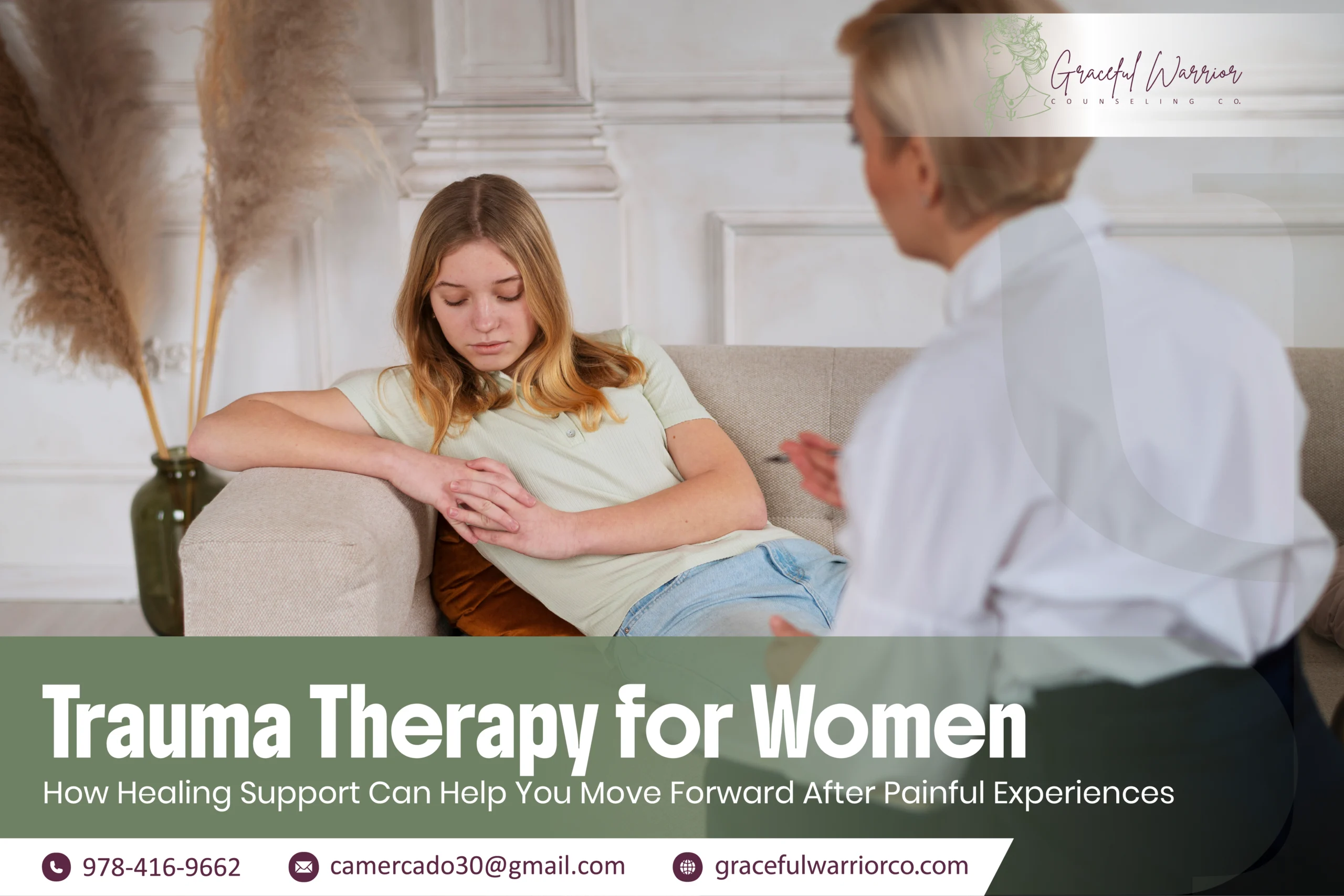
Trauma Therapy for Women: How Healing Support Can Help You Move Forward After Painful Experiences
Something inside you still feels unsettled most days. Perhaps you smile through the day but carry a quiet ache underneath. Past pain often lingers long after the moment ends. It shapes how you trust, love, and rest. Many women silently manage this weight alone, believing strength means staying silent about it.
But recovery is not something you must face by yourself. Trauma therapy for women offers a safe, guided path back to themselves. It helps you understand your reactions, release old patterns, and rebuild genuine confidence.
At Graceful Warrior Counseling Co, this journey begins with compassion, not judgment. You deserve support that truly understands your story.
Signs You Need Trauma Therapy
You have probably noticed something feels different lately, yet you cannot explain why. Recognizing the signs you need trauma therapy often feels confusing at first. Persistent anxiety, depression, or sudden panic disorder may signal deeper, unresolved pain. Moreover, many women experience hypervigilance, constantly bracing for danger instead of feeling calm.
Others describe emotional numbness or dissociation, disconnected from people they once felt close to. Intrusive thoughts can appear without warning, disrupting daily peace and focus. However, burnout and mood disorders often develop when trauma remains unprocessed for years.
Difficulty trusting others becomes common, too, even within relationships that feel genuinely safe. Symptoms can also surface as social anxiety, disordered eating, OCD-like rituals, bipolar mood swings, or lingering hopelessness.
How Trauma Affects Women's Lives
Childhood trauma often leaves invisible marks that quietly shape adult behavior. Attachment wounds and betrayal trauma make closeness feel unsafe rather than comforting. Furthermore, reproductive trauma, sexual trauma, and relational trauma each carry their own silent weight.
Grief and loss, generational trauma, and developmental trauma frequently overlap, deepening unresolved emotional pain. Re-traumatization can occur without warning, triggering intense self-blame and shame. Consequently, over-functioning becomes a coping habit, masking nervous system dysregulation beneath a composed surface.
Why does trauma affect women so deeply, even years later? Because the body remembers what the mind tries to forget. These experiences deserve compassionate understanding, never silent judgment.
How Trauma Therapy Helps Women Heal
Recovery begins the moment you finally feel safe again. Trauma-informed therapy focuses on nervous system regulation, helping your body relax naturally. Furthermore, mind-body integration teaches you to notice sensations without feeling overwhelmed.
Complex trauma treatment addresses root causes, not just surface-level symptoms. Consequently, emotional stability grows steadily as old patterns slowly lose their grip. Instead of merely coping, you start genuinely thriving again. This restorative process moves gently, honoring your pace throughout.
Therapeutic Approaches We Use
Every woman’s healing journey looks different, so treatment should too. We draw from several evidence-based methods, including:
- EMDR therapy and Brainspotting for processing difficult memories
- Somatic therapy and Deep Brain Reorienting (DBR) for body-based healing
- Psychodynamic and attachment-based therapy for relational patterns
- IFS-informed, CBT, and DBT approaches for emotional regulation
- Polyvagal-informed therapy and NARM treatment for nervous system support
- Feminist and existential therapy for identity and meaning
Additionally, some sessions incorporate neurosequential models, trauma-informed hypnotherapy, psychodrama, or PBSP.
Benefits of Trauma Therapy for Women
Real transformation brings changes that extend far beyond the therapy room. Women often discover greater self-compassion, replacing years of harsh self-criticism. Additionally, healthy boundaries become easier to set, protecting your energy and peace.
Consequently, healthier relationships develop naturally, built on trust rather than fear. This process also strengthens self-worth, identity, and lasting resilience over time.
What Healing Looks Like
- Greater self-worth and a clearer sense of identity
- Improved resilience during stressful or triggering moments
- Genuine empowerment in daily decisions and relationships
- Sustainable long-term recovery, not temporary relief
- Effective PTSD treatment for women addressing root causes
Ready to Start Feeling Better?
You don’t have to carry this alone anymore. Take the first step toward lasting emotional recovery today.
Therapy for Women With Trauma and Control Issues
Control often becomes a quiet shield against unpredictable pain. Unresolved trauma can create emotional dysregulation, making calm feel constantly out of reach. Attachment therapy helps women understand why control feels safer than trust.
Meanwhile, women’s mental health counseling addresses these patterns at their root, not just behavior. Instead of judgment, this work offers genuine understanding and steady support. Over time, letting go of control becomes possible, replaced by real, lasting safety.
Program Options at a Glance
Every woman deserves care that truly fits her life. Residential treatment offers immersive support for those needing structured, round-the-clock healing. Meanwhile, PHP provides intensive daily care while allowing you to return home each evening.
Alternatively, IOP suits women balancing recovery alongside work or family commitments. Outpatient care remains flexible, too, ideal for ongoing support after initial healing progresses well.
Meet Your Trauma Therapist
Every session begins with one belief: you deserve to be met exactly where you are. Our therapist, a Licensed Professional Counselor with over a decade of experience, brings grounded compassion to trauma work and is trained in EMDR, somatic therapy, and attachment-based care.
Women experience PTSD at nearly three times the rate of men, which is why specialized, trauma-informed care matters. Every approach here stays rooted in real clinical training, not guesswork.
Why Choose Graceful Warrior Counseling Co
Restoration deserves guidance from someone who genuinely understands your journey. Our therapists bring years of clinical experience alongside deep compassion for women’s unique struggles. Furthermore, every session blends evidence-based methods with a safe, judgment-free space.
You set the pace, we simply walk alongside you. This is not generic care, it’s personalized support built specifically around your story, your pace, and your renewal.
Start Recovery Today
You deserve a life that feels whole again. Let’s build your recovery journey together, one step at a time.
Conclusion
Recovering from trauma takes courage, patience, and the right support system. Trauma therapy for women offers a compassionate path toward genuine emotional freedom.
You don’t have to carry this weight alone forever. Reaching out isn’t a weakness, it’s the bravest step toward reclaiming your life. Your story matters, and lasting renewal is possible.
Frequently Asked Questions
What does trauma therapy do for women?
It helps women process painful experiences, regulate emotions, and safely rebuild trust in themselves and others.
How long does trauma therapy take?
Healing timelines vary by person. Many women notice meaningful progress within a few months of consistent sessions.
Is online trauma therapy effective?
Yes, online sessions offer flexibility and privacy while remaining just as effective as in-person trauma recovery for women.
How is this different from regular talk therapy?
Trauma therapy targets nervous system healing directly, not just conversation, using specialized techniques for lasting trauma treatment.
What types of sessions are available?
Options include individual therapy, group therapy, family therapy, dual diagnosis support, and dedicated women-only treatment settings.
Share this :
Latest Post



Our Services
Online & In-Person Support for a Healthier Mind – Reach Out Now!